Our blog is focused entirely on advanced dental care for animals! From preventative cleanings to complex oral surgery and disease management, we share expert insight, helpful guidance, and real patient stories to support healthier mouths and happier lives.
Veterinary dental specialists do much more than clean dirty teeth and extract any loose ones. The range of oral health problems routinely performed by veterinary dental specialists is very broad, and includes orthodontics (treatment of malocclusions), oral orthopedics (fracture repair of mandibular and maxillofacial bones), oncology (surgical management of oral tumors), endodontics (root canal treatment), prosthodontics (tooth restoration with a prosthetic crown), periodontics (oral surgery to treat teeth with attachment loss), exodontics (surgical extractions), cleft lip/palate surgery, and treatment of salivary gland diseases.
Periodontal disease is a general term used to describe dirty teeth and oral inflammation. There are two medical diagnoses under the heading of “periodontal disease”: gingivitis and periodontitis. Gingivitis is reversible and involves inflammation of only the gingiva, the tissue that encircles every tooth.
When people think about pet dental health, they often think about bad breath first. While unpleasant breath can certainly be a clue, it is usually only a small part of a much bigger picture. A pet’s mouth plays an important role in comfort, nutrition, behavior, and overall quality of life, which means dental problems can affect far more than the teeth alone.
Periodontal disease refers to inflammation that affects the attachment apparatus that holds the tooth in the jaw, including the gum tissue (gingiva) and bone.
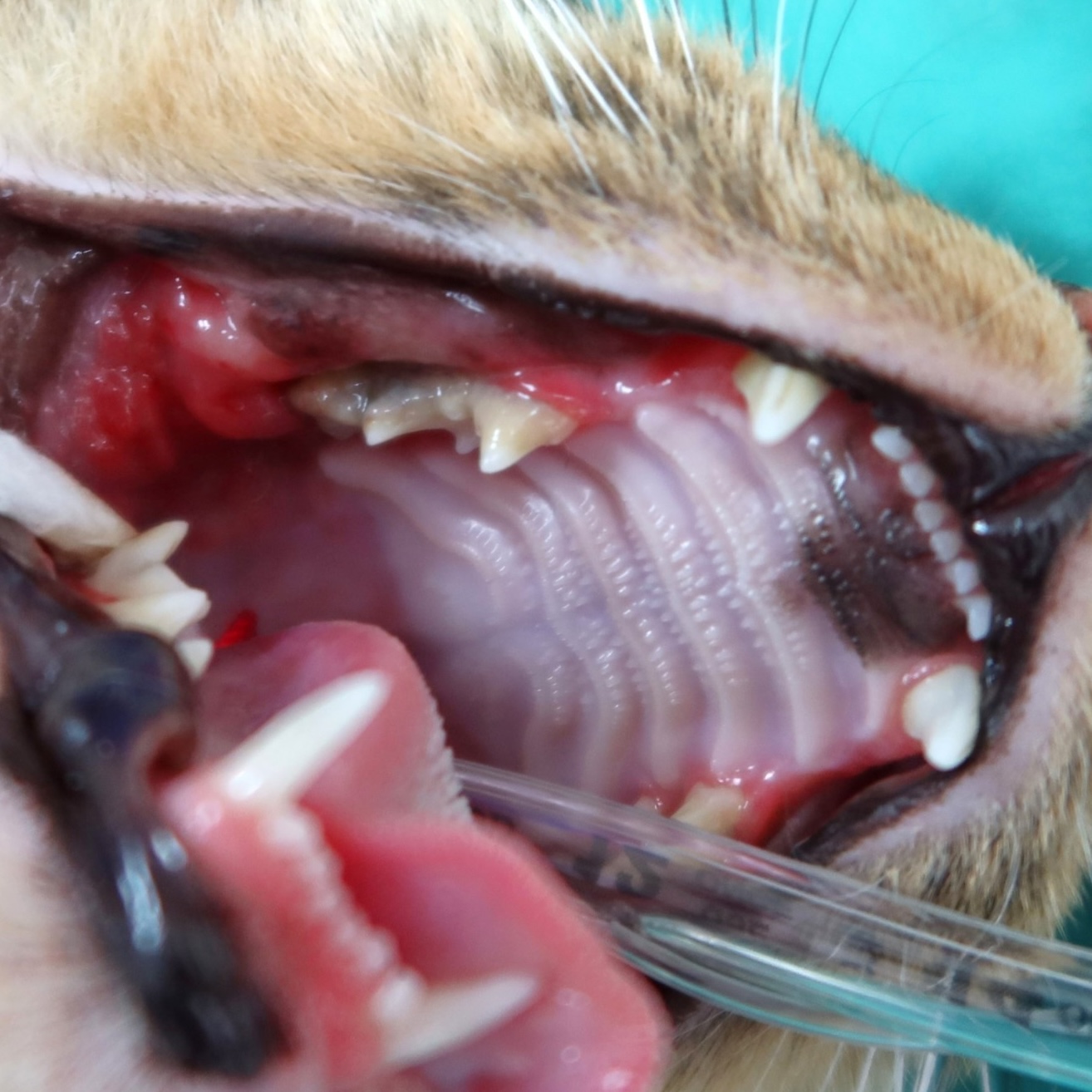
FCGS refers to widespread inflammation in a cat’s mouth that includes not only the gum tissue (gingiva), but also includes the sensitive oral tissue (oral mucosa) that lines the inside of the cheeks, the back of the mouth, and occasionally the lips, tongue, and palate.
Dental fractures are frequently seen in dogs and cats. Biting at the bars of a cage and vehicular trauma are common causes of fractured canine teeth in dogs.
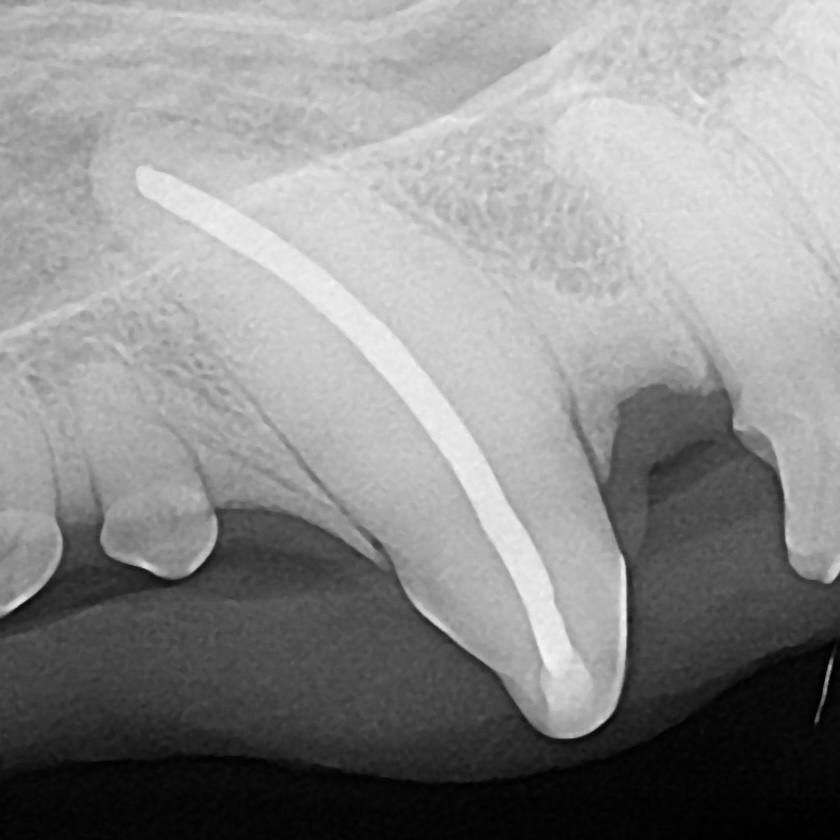
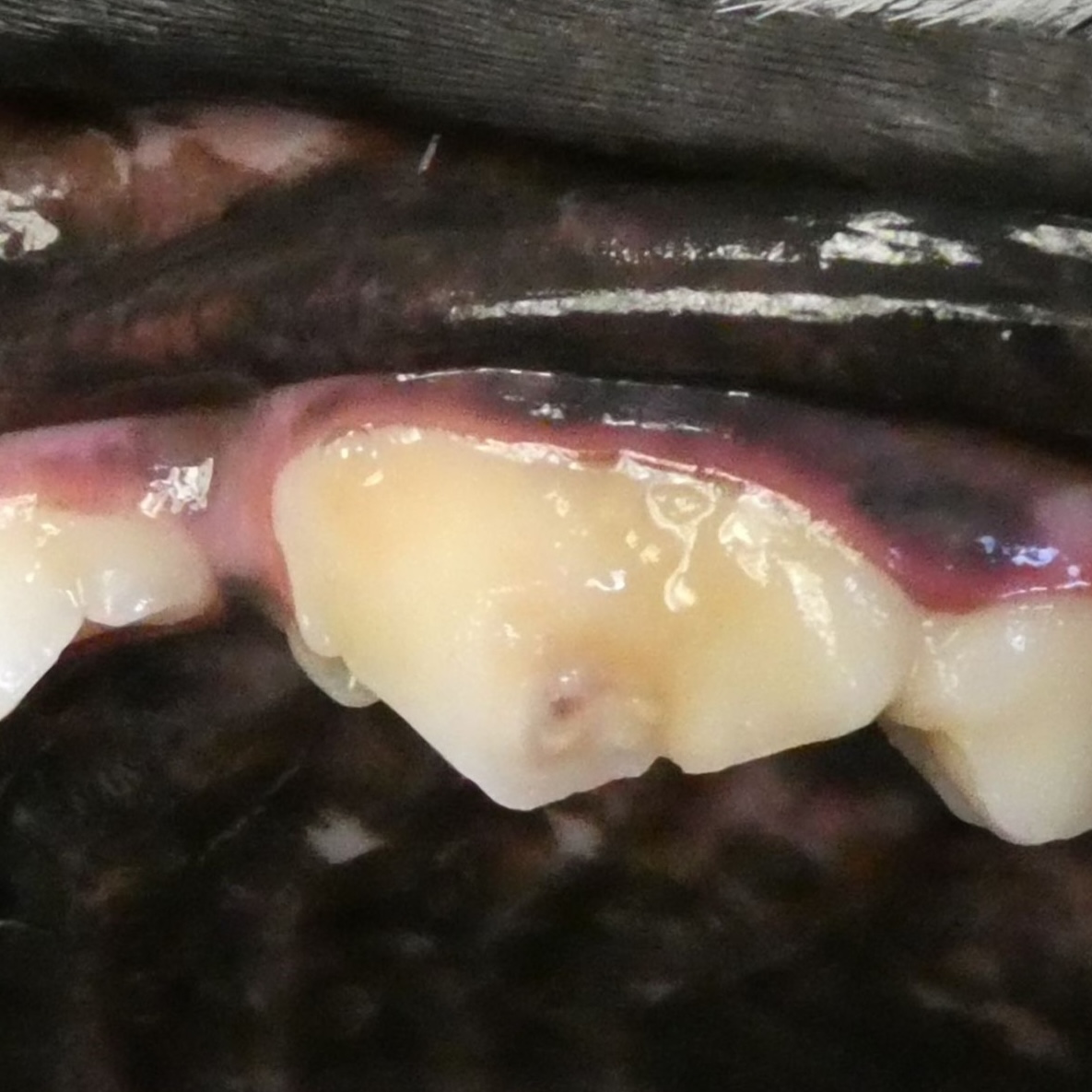
A common finding during an oral examination of a dog or cat patient is the presence of a fractured tooth (or teeth). Some veterinarians may advise owners to just “watch” the tooth, and if it becomes painful, return so that the tooth can be extracted.